Loading available options...
Overview
- Duration:15 days 14 nights
- Travelers:1 - 32 guests
- Tour Type:Trekking
- Max Altitude:5545M
- Difficulty:Strenous
- Meals:12B, 12L, 13D
This trek is perfect for travelers who want to combine the iconic Everest Base Camp experience with the serene beauty of the Gokyo Valley. The journey offers stunning panoramic views of the world’s highest peaks, including Mount Everest, Lhotse, Cho Oyu, and Makalu, giving trekkers an unparalleled Himalayan adventure.
Many trekkers in Nepal limit themselves to the classic Everest Base Camp route, but the Chola Pass Trek takes you beyond the standard paths. By crossing the Cho La Pass, you connect the Everest Base Camp trail with the Gokyo Lakes, creating a loop that offers a more comprehensive view of the region.
The trek is not just about reaching high altitudes; it’s about immersing yourself in the rich Sherpa culture, passing through centuries-old monasteries, and experiencing the local way of life. Villages like Namche Bazaar, Pangboche, and Thagnak are cultural highlights along the route. Trekkers have the chance to witness the vibrant Tibetan Buddhist traditions, prayer flags fluttering against the snow-capped peaks, and the warm hospitality of the Sherpa people.
The Chola Pass Trek route begins with a mountain flight from Kathmandu to Lukla, followed by treks through Phakding and Namche Bazaar. Acclimatization days in Namche and higher villages like Dole or Machhermo help your body adjust to the increasing altitude.
The trek then proceeds to Gokyo Valley, where trekkers can explore the stunning lakes and hike Gokyo Ri for panoramic views. From Gokyo, the adventure continues to Thagnak, the base village for the Cho La Pass crossing. After navigating the pass, trekkers descend toward Lobuche and Gorak Shep, visiting Everest Base Camp and Kala Patthar along the way. The return journey passes through Pangboche, back to Namche Bazaar, and finally to Lukla, where the scenic flight back to Kathmandu concludes the trek.
Highlights
- Breathtaking views of Mount Everest, Lhotse, and Ama Dablam throughout the trek
- Crossing the thrilling Cho La Pass at 5,420 meters for an unforgettable adventure
- Exploring the pristine turquoise lakes of the Gokyo Valley
- Visiting Everest Base Camp and witnessing the mighty Khumbu Glacier up close
- Hiking to Kala Patthar for panoramic sunrise views over the Himalayas
- Immersing in Sherpa culture and visiting ancient monasteries like Pangboche Monastery
- Trekking through serene alpine villages like Namche Bazaar, Dole, and Machhermo
- Experiencing high-altitude landscapes with glaciers, moraines, and snow-capped peaks
Itinerary
Day 01: Fly to Lukla (2860M), trek to Phakding (3–4 Hours / 2610M)
Your adventure on the chola pass trek begins with a scenic mountain flight from Kathmandu to Tenzing–Hillary Airport, one of the most famous airports in the Himalayas. The short but thrilling flight offers spectacular views of snow-capped peaks and deep Himalayan valleys.
After landing in Lukla, the trek begins with a pleasant walk through Sherpa villages and forested trails. The path gradually descends toward the Dudh Koshi River, passing mani walls, prayer wheels, and colorful prayer flags that reflect the rich Buddhist culture of the region. After 3–4 hours of gentle trekking, you arrive at the peaceful village of Phakding, where you will spend the night in a traditional teahouse.
Day 02: Trek from Phakding to Namche Bazaar (5–6 Hours / 3440M)
Today the chola pass trek continues along the Dudh Koshi River valley. The trail crosses several suspension bridges while passing through small Sherpa settlements and lush pine forests.
After entering Sagarmatha National Park, the path gradually climbs toward the famous trading hub of Namche Bazaar. The final uphill section is challenging but rewarding, often offering the first distant view of Mount Everest on clear days. Namche Bazaar is a vibrant mountain town filled with bakeries, trekking shops, and teahouses.
Day 03: Acclimatization Day at Namche Bazaar (3440M)
Proper acclimatization is essential during the chola pass trek, and today is dedicated to adjusting to the higher altitude. Instead of resting all day, a short hike to higher viewpoints is recommended.
Many trekkers walk to the Everest View area for panoramic views of Everest, Lhotse, and Ama Dablam. After the hike, return to Namche Bazaar to explore the local markets, bakeries, and Sherpa culture before preparing for the next stage of the trek.
Day 04: Trek from Namche Bazaar to Dole (5–6 Hours / 4200M)
Leaving the main Everest Base Camp route, the chola pass trek now heads toward the peaceful Gokyo Valley. The trail climbs above Namche and offers spectacular views of Ama Dablam and surrounding peaks.
The path passes through rhododendron forests and traditional yak grazing areas before reaching the quiet settlement of Dole. This peaceful village provides stunning mountain scenery and a relaxing atmosphere away from the busier EBC trail.
Day 05: Trek from Dole to Machhermo (4–5 Hours / 4470M)
The trail continues steadily upward as the chola pass trek moves deeper into the Gokyo Valley. The landscape becomes more rugged and alpine, with wide views of surrounding Himalayan peaks.
Passing small lodges and yak pastures, the trail eventually reaches Machhermo, a beautiful high-altitude village known for its scenic mountain surroundings and traditional Sherpa hospitality.
Day 06: Trek from Machhermo to Gokyo (4–5 Hours / 4790M)
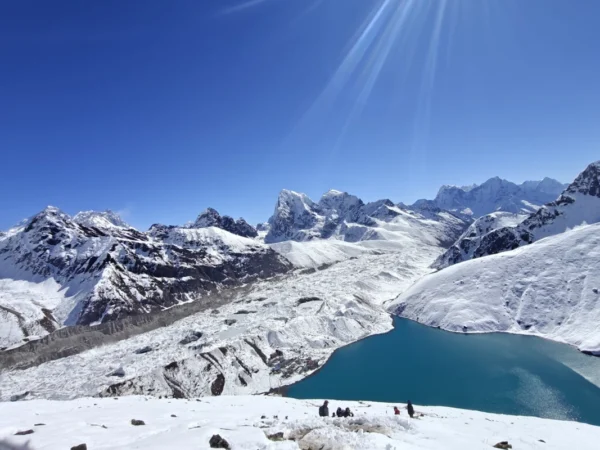
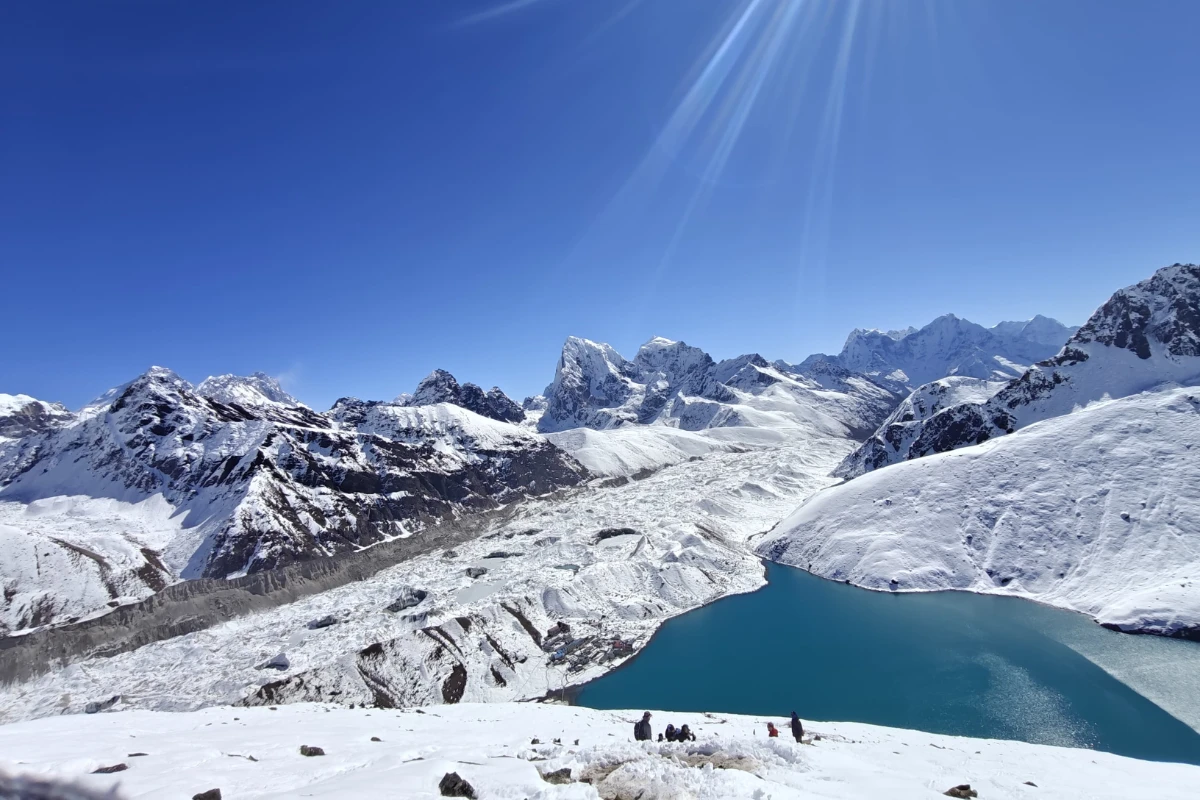
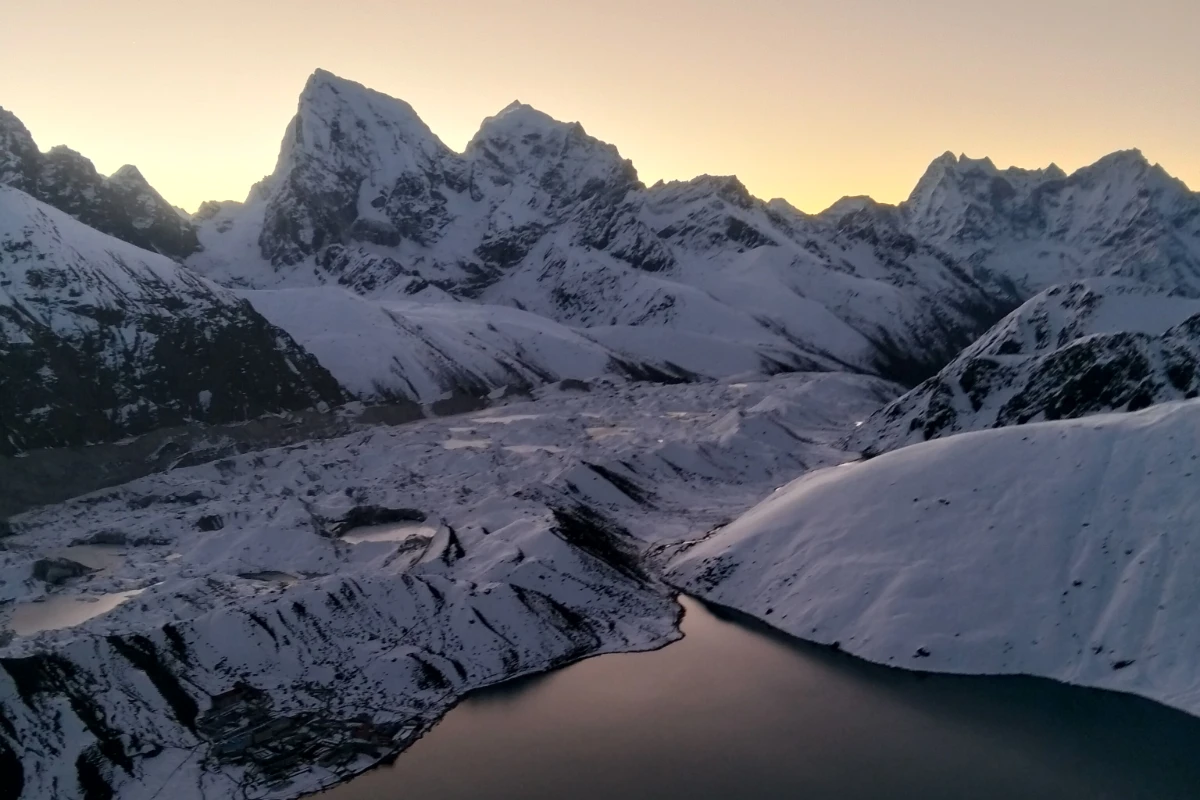
Today is one of the most scenic days of the chola pass trek. The trail climbs past glacial moraines and stunning turquoise lakes that make the Gokyo Valley famous.
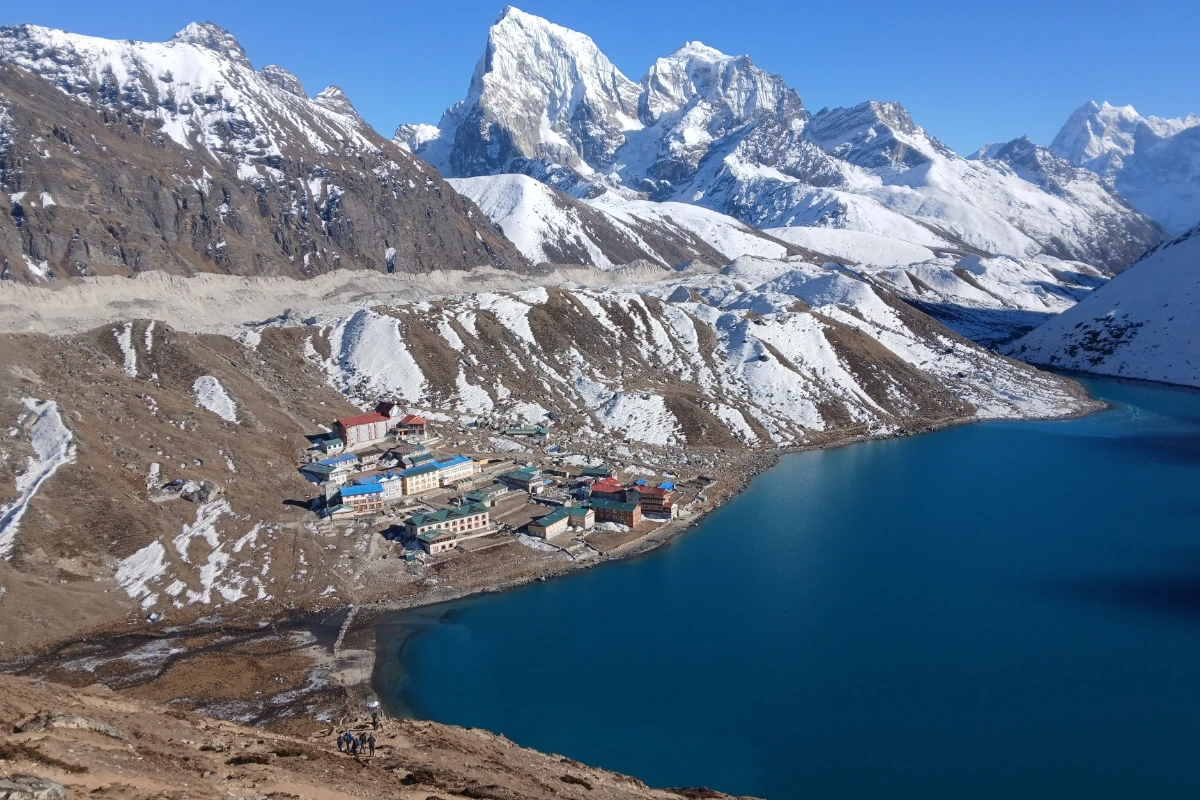
Eventually, you arrive at the beautiful lakeside village of Gokyo, located beside the third Gokyo Lake. Surrounded by towering peaks and glaciers, this area is one of the most picturesque locations in the Everest region.
Day 07: Trek from Gokyo to Thagnak (3–4 Hours / 4700M)
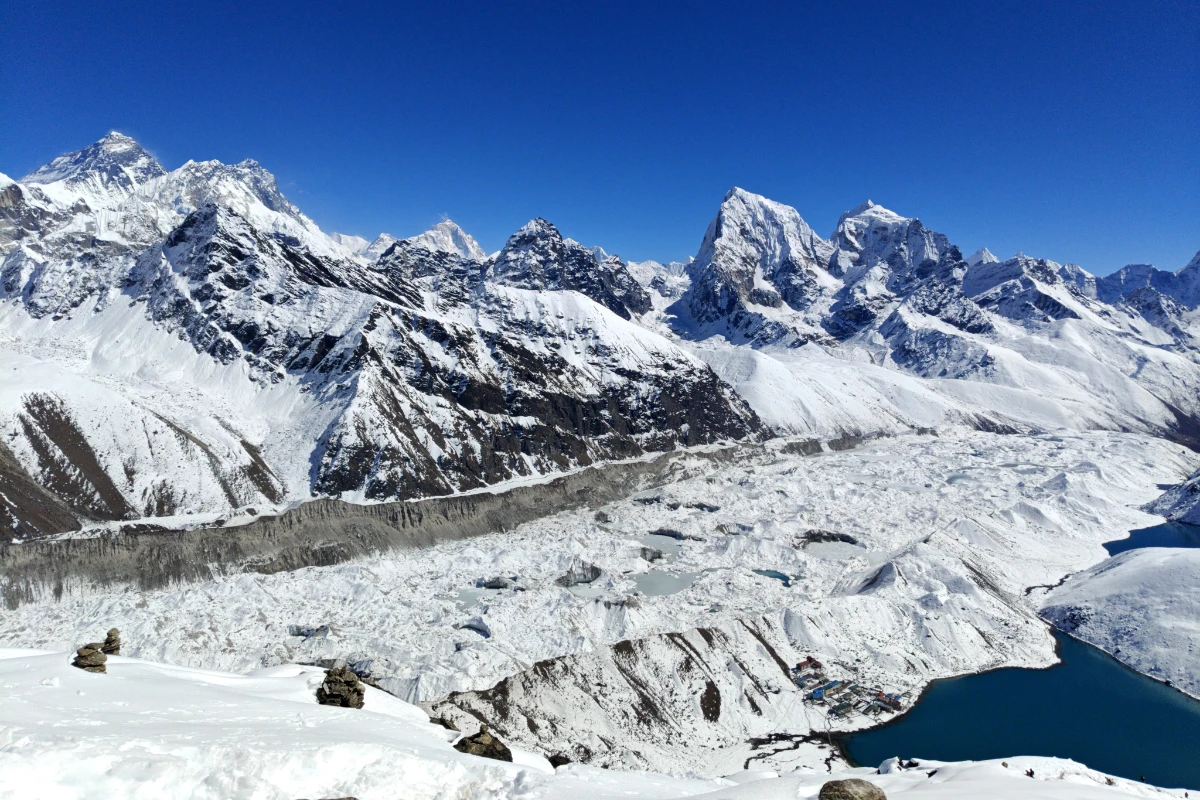
Early risers can hike to Gokyo Ri, one of the best panoramic viewpoints in the Himalayas. From the summit, trekkers can see Everest, Lhotse, Makalu, and Cho Oyu.
After enjoying the views, the trek continues across the massive Ngozumpa Glacier toward the small settlement of Thagnak, which serves as the base before crossing Cho La Pass.
Day 08: Trek from Thagnak to Lobuche via Cho La Pass (7–8 Hours / 5420M)
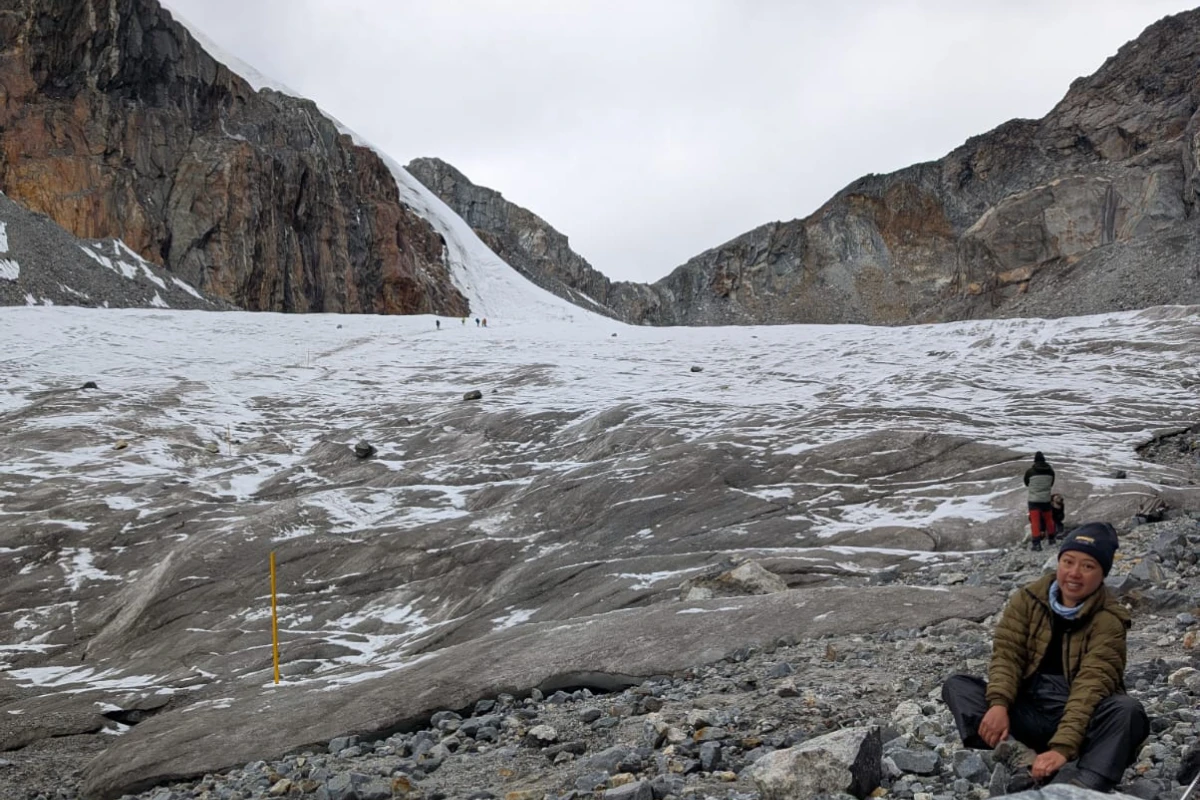
This is the most challenging and exciting day of the chola pass trek. The trail begins early in the morning with a steep climb toward Cho La Pass.
The crossing involves rocky paths and glacier sections, but the breathtaking views of the surrounding Himalayan peaks make the effort worthwhile. After reaching the top of the pass, the trail descends toward the Everest Base Camp route and continues to Lobuche.
Day 09: Trek from Lobuche to Gorak Shep and Everest Base Camp (6–7 Hours / 5364M)
Today the chola pass trek leads to the legendary Everest Base Camp. The trail follows the rocky path along the Khumbu Glacier to Gorak Shep.
After a short rest, you continue trekking to Everest Base Camp, where climbers prepare for their summit attempts. Standing here at the foot of the world’s highest mountain is a truly unforgettable experience.
Day 10: Trek from Gorak Shep to Pangboche (6–7 Hours / 3985M)
Early in the morning, many trekkers hike to Kala Patthar for sunrise views over Mount Everest.
After enjoying the panoramic scenery, the trail descends through Lobuche and Tengboche valley before reaching the charming Sherpa village of Pangboche, known for its historic monastery and stunning mountain views.
Day 11: Trek from Pangboche to Namche Bazaar (5–6 Hours / 3440M)
The chola pass trek now follows the descending trail through forests and suspension bridges along the Dudh Koshi River valley.
After several hours of trekking through traditional Sherpa villages, you return to Namche Bazaar, where trekkers often celebrate completing the high-altitude section of the journey.
Day 12: Trek from Namche Bazaar to Lukla (6–7 Hours / 2860M)
Today you retrace your steps along the Dudh Koshi River back toward Lukla. The trail passes through villages, forests, and suspension bridges as you gradually descend.
Arriving in Tenzing–Hillary Airport, you can relax and celebrate the successful completion of the trekking portion of the chola pass trek.
Day 13: Fly from Lukla to Kathmandu
Your unforgettable chola pass trek concludes with an early morning flight from Lukla back to Kathmandu.
During the short mountain flight, you can enjoy one final view of the Himalayas before returning to the vibrant capital city, bringing back incredible memories of trekking through one of the most spectacular regions in the world.
Included - Excluded
- Private air-conditioned vehicle for airport pickup and drop-off before and after the trek.
- Round-trip domestic flight tickets (Kathmandu – Lukla – Kathmandu), including all applicable taxes and fuel surcharges.
- Everest National Park entry permit.
- Trekkers’ Information Management System (TIMS) registration card and Khumbu local area entry permit, as required.
- Full-board meals during the trek as outlined in the itinerary.
- Twin-sharing accommodation in tea houses during the trek, as specified in the itinerary.
- Friendly, English-speaking, government-licensed, and experienced trekking guide, including meals, accommodation, salary, transportation, and insurance.
- Assistant trekking guide for groups of more than six people, including meals, accommodation, salary, transportation, and insurance.
- Complimentary trekking gear (down jacket, sleeping bag, duffel bag, crampons) available upon request. (all gear provided by the agency must be returned after the trek)
- Comprehensive first-aid medical kit equipped with an oximeter.
- Seasonal fresh fruits, cookies, and water purification tablets (available with advance notice) during the trek.
- All necessary paperwork, government taxes, local taxes, and company service charges.
- Complimentary welcome or farewell dinner in Kathmandu at a traditional Nepalese cultural restaurant.
- Optional worst-case rescue and medical evacuation assistance (at your expense or covered by your travel insurance).
- International airfare, Nepal visa fees (two passport-sized photographs required), travel and medical insurance, including emergency evacuation costs.
- Porter services (available as an add-on during booking or checkout).
- Personal expenses (e.g., bar and beverage bills, hot showers, telephone calls, laundry, snacks, etc.).
- Costs arising from natural calamities, accidents, or circumstances beyond our control.
- These costs are non-refundable and non-transferable if you voluntarily leave the trek early.
- Meals and accommodation in Kathmandu (Also applicable in cases of early return or late departure beyond the scheduled itinerary)
- Tips for guides and porters (tipping is customary in Nepal and expected at the end of the trek).
- Any services not specifically mentioned in the “Services Included” section.
Important Information
Meals During the Cho La Pass Trek
Meals on the Cho La Pass Trek are designed to fuel trekkers through long days in the high Himalayas. Most food is served in cozy mountain teahouses, offering warm, hearty meals that help replenish energy after trekking. Typically, trekkers enjoy three meals a day—breakfast, lunch, and dinner—carefully balanced to meet the demands of high-altitude trekking.
The most popular dish along the trail is dal bhat, a traditional Nepali meal of steamed rice, lentil soup, vegetables, and pickles. Trekkers and guides favor it for its combination of carbohydrates, protein, and essential nutrients. Many teahouses even offer free refills, making it a practical and satisfying option.
In addition to dal bhat, menus feature a variety of dishes such as vegetable or egg fried rice, noodles, pasta, momos (Tibetan dumplings), potato dishes, soups, pancakes, porridge, and omelets. In larger villages like Namche Bazaar, teahouses often serve baked treats like apple pie or chocolate cake.
Vegetarian meals are widely available, especially in lower-elevation villages where fresh produce is more accessible. At higher elevations, food choices may be simpler, but teahouses ensure meals remain warm, filling, and comforting.
Hot drinks are essential for staying warm and hydrated. Black tea, milk tea, coffee, ginger honey tea, and garlic soup are popular options that also help with acclimatization. Overall, meals on the Cho La Pass Trek are basic but crucial for maintaining energy, warmth, and morale during your Himalayan adventure.
Accommodation on the Cho La Pass Trek
Accommodation on the Cho La Pass Trek is primarily in traditional Himalayan teahouses, small lodges run by local families. These teahouses provide trekkers with an authentic experience of Sherpa culture while offering a cozy place to rest.
Rooms are simple, typically with twin beds, mattresses, blankets, and pillows. While most rooms are unheated, the dining halls are usually warmed with a stove in the evenings, creating a welcoming atmosphere where trekkers can enjoy meals and socialize.
Bathrooms are often shared, and amenities vary by elevation. Lower villages like Phakding and Namche Bazaar sometimes offer hot showers and attached bathrooms. At higher elevations such as Gokyo, Lobuche, or Gorakshep, facilities are basic but functional.
Staying in teahouses also supports local communities, as most are family-run businesses dependent on trekking tourism. Beyond comfort, teahouses offer cultural insight, warm hospitality, and breathtaking mountain views.
High Altitude and Acclimatization
The Cho La Pass Trek traverses extreme high-altitude terrain, with the pass itself at 5,420 meters. At these elevations, oxygen levels are lower, making proper acclimatization essential for safety and enjoyment.
A well-planned itinerary includes gradual altitude gain and dedicated acclimatization days in key locations like Namche Bazaar and Gokyo. Trekking strategies such as “climb high, sleep low” are recommended, where trekkers hike to higher viewpoints during the day and return to lower elevations to sleep.
Acclimatization days also allow time to explore the region. Popular options include visiting Everest View Hotel, hiking to Khumjung village, or climbing Gokyo Ri for panoramic views of the Himalayas. Proper acclimatization helps prevent altitude sickness, which can cause headaches, fatigue, dizziness, or nausea, allowing trekkers to enjoy the breathtaking landscapes safely.
Safety and Trekking Support
Safety is a top priority on the Cho La Pass Trek, as the route involves remote terrain and high altitudes. Trekking with experienced guides significantly enhances both safety and the overall experience.
Professional guides are familiar with trails, weather patterns, and mountain conditions. They are trained in first aid, altitude awareness, and emergency procedures. Guides monitor trekkers for signs of altitude sickness and adjust the itinerary when necessary.
In emergencies, guides coordinate evacuations and communicate with local rescue services. Beyond safety, guides provide cultural insights about Sherpa traditions, monasteries, and Himalayan history, enriching the trekking experience.
Physical Preparation for the Trek
The Cho La Pass Trek is physically demanding due to long trekking days, steep ascents, and high-altitude terrain. Physical preparation before the trek improves both comfort and enjoyment.
It is recommended to begin training at least 6–8 weeks in advance. Cardiovascular exercises like hiking, running, cycling, and stair climbing build stamina, while strength training for legs, core, and lower back improves stability and endurance. Squats, lunges, step-ups, and planks are especially effective.
Practice hikes with a loaded backpack are also beneficial to simulate trekking conditions. Being well-prepared allows trekkers to enjoy the journey, appreciate the scenery, and reduce the risk of injury.
Best Time to Trek the Cho La Pass Route
The optimal seasons for the Cho La Pass Trek are spring (March to May) and autumn (September to November). During these months, weather is stable, skies are clear, and visibility of the Himalayan peaks is excellent.
Spring offers blooming rhododendrons and warmer temperatures, while autumn is the most popular trekking season due to crisp air and panoramic mountain views following the monsoon. Both seasons provide safer conditions for crossing high mountain passes such as Cho La.
Packing and Essential Trekking Gear
Packing the right gear is crucial for comfort and safety on the Cho La Pass Trek, as weather can change rapidly in the mountains.
High-quality trekking boots that are waterproof and well-broken-in are essential. Layered clothing allows trekkers to adapt to fluctuating temperatures: thermal base layers, fleece jackets, down jackets, waterproof outerwear, gloves, and hats are recommended.
A warm sleeping bag is necessary for overnight stays at high-altitude villages. Trekking poles, sunglasses with UV protection, sunscreen, a reusable water bottle, a headlamp, and a small first-aid kit are also important. Proper gear ensures comfort, safety, and a more enjoyable trekking experience.
Drinking Water and Hydration
Hydration is critical on the Cho La Pass Trek, especially at high altitudes where the body loses fluids more rapidly. Trekkers should aim to drink at least three to four liters of water daily.
Water is available in most teahouses, but it should be treated using purification tablets, portable filters, or UV devices. While bottled water is sometimes available, using refillable bottles with purification methods is more sustainable.
Warm beverages such as ginger tea, herbal tea, hot lemon, and garlic soup help maintain hydration while keeping the body warm in cold conditions. Proper hydration supports acclimatization and ensures trekkers maintain energy throughout the journey.
Cancellation policy
You can cancel the tour up to 60 days before the start date and receive a full refund.*
Frequently asked questions
What is the Chola Pass Trek?
How difficult is the Chola Pass Trek?
How many days are required for the Chola Pass Trek?
What is the altitude of Cho La Pass?
What is the best time to do the Chola Pass Trek?
Do I need a guide for the Chola Pass Trek?
What permits are required for the Chola Pass Trek?
What are the highlights of the Chola Pass Trek?
Is altitude sickness a concern during the Chola Pass Trek?
Why choose the Chola Pass Trek instead of only Everest Base Camp?
Addon services

Porter Service
Hire a porter on the Chola Pass Trek to carry your luggage, making your high-altitude adventure easier and more comfortable (1 package = 1 porter)

Service Upgrade
Upgrade your trek stay with rooms featuring private toilets where available for added comfort and convenience. (1 package = 1 room)
Make enquiry
Have a question before booking? Message us to learn more.
Why booking with us?
You might also like...
Login to use