Loading available options...
Overview
- Duration:18 days 17 nights
- Travelers:1 - 32 guests
- Tour Type:Trekking
- Max Altitude:5545M
- Difficulty:Strenous
- Meals:17B, 14L, 15D
This Chola Pass Trek is ideal for trekkers who want more than the classic Everest Base Camp journey. The adventure begins with a scenic mountain flight to Lukla, followed by a gradual trek through the spectacular Khumbu Valley. Along the trail, trekkers pass traditional Sherpa villages, ancient Buddhist monasteries, colorful prayer-flag bridges, and lush rhododendron forests within Sagarmatha National Park, a UNESCO World Heritage Site.
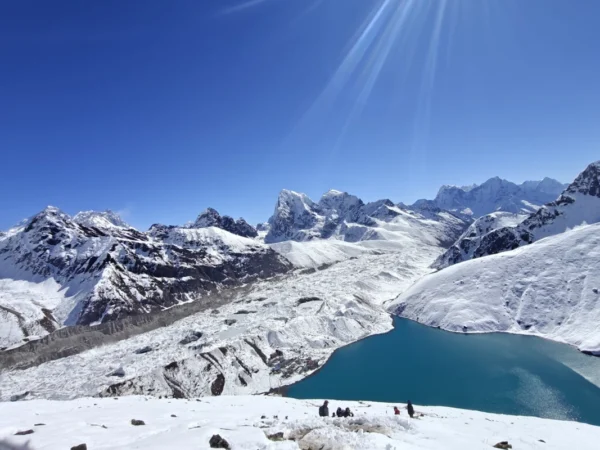
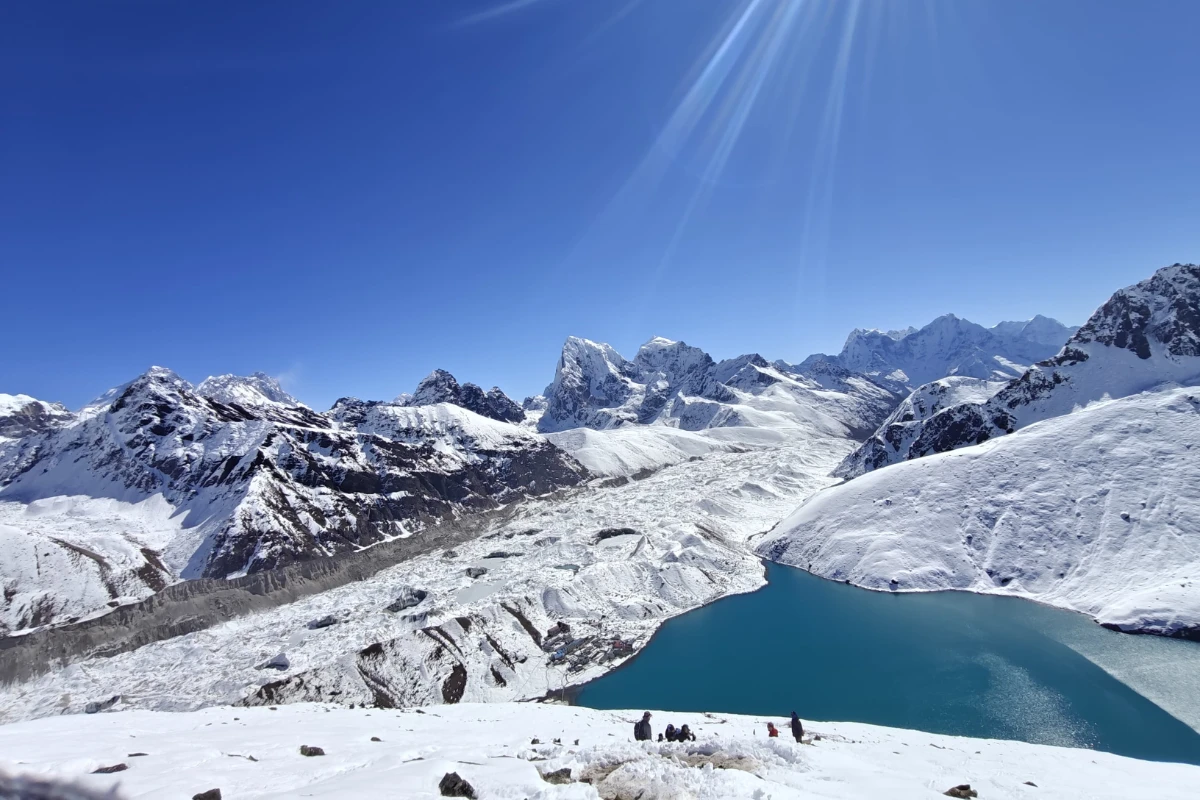
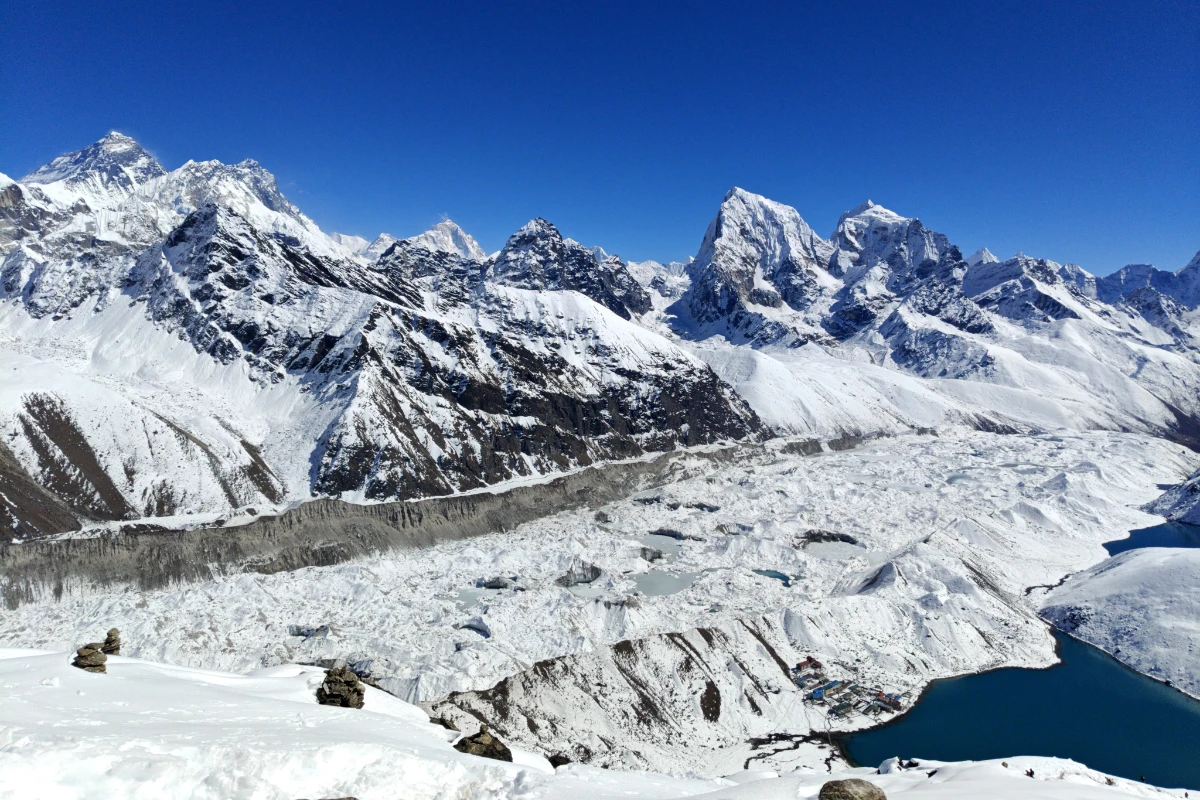
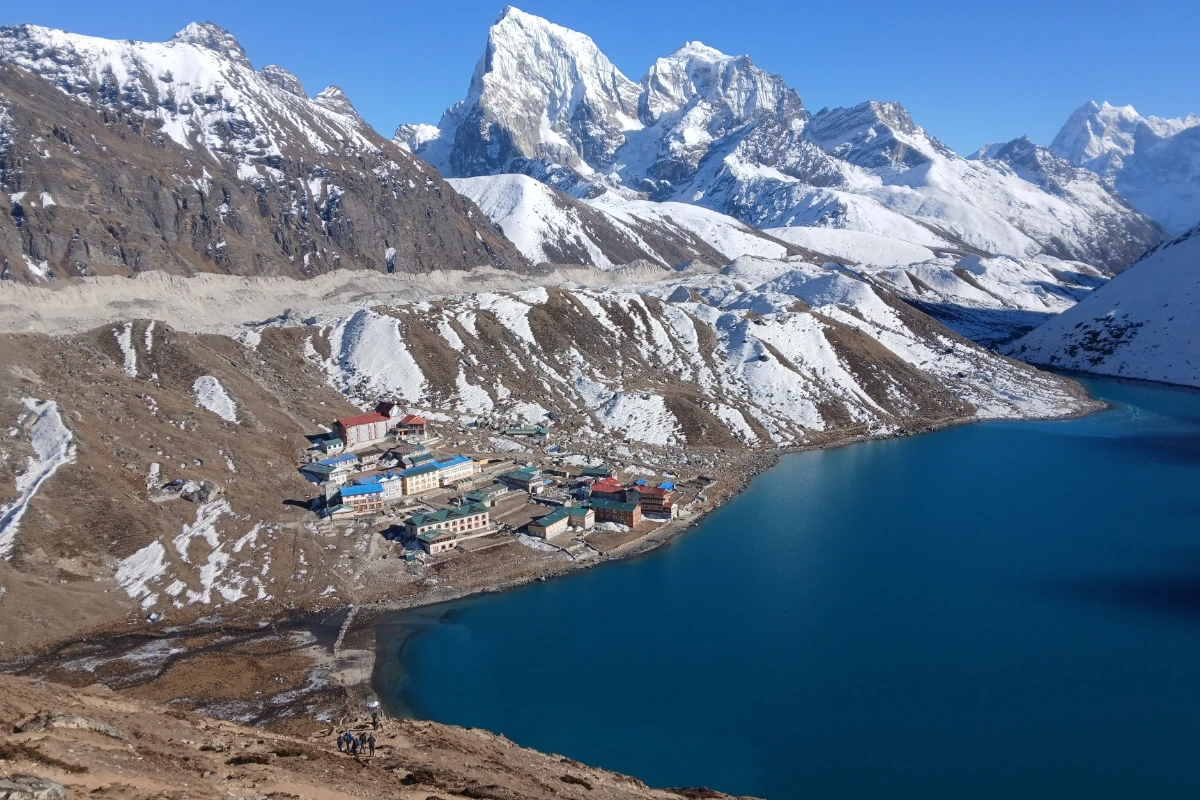
One of the major highlights of the Chola Pass Trek is the exploration of the breathtaking Gokyo Lakes. Trekkers also climb Gokyo Ri (5,357m), which offers one of the best panoramic viewpoints in the Everest region. From the summit, you can enjoy incredible views of Mount Everest, Lhotse, Makalu, and Cho Oyu, along with the vast Ngozumpa Glacier. Compared to the standard Everest Base Camp route, the Gokyo Valley trail is quieter and offers stunning glacier and lake scenery.
Crossing Cho La Pass (5,420m) is the most thrilling part of the Chola Pass Trek. This dramatic high-altitude pass connects the beautiful Gokyo Valley with the Everest Base Camp trail, adding excitement and a true sense of Himalayan expedition. After crossing the pass, the trek continues toward the famous Everest Base Camp and Kala Patthar (5,545m), the best viewpoint for close-up views of Mount Everest and the surrounding peaks.
The 18-day Chola Pass Trek is perfect for physically fit trekkers looking for a challenging yet rewarding Himalayan adventure. The itinerary includes carefully planned acclimatization days to help trekkers adjust safely to the high altitude while enjoying the breathtaking landscapes of the Everest region.
Led by experienced local guides, the Chola Pass Trek provides authentic cultural experiences, comfortable tea house accommodation, and full logistical support throughout the journey. Trekkers will have the opportunity to interact with local Sherpa communities and experience the unique culture of the Everest region.
If you are searching for the ultimate Everest trekking adventure that combines Gokyo Lakes, Cho La Pass, and Everest Base Camp, the Chola Pass Trek offers one of the most rewarding and scenic trekking routes in the Himalayas.
Highlights
- Cross the thrilling Cho La Pass (5,420m), one of the most exciting high-altitude passes in the Everest region.
- Explore the stunning turquoise Gokyo Lakes and hike to Gokyo Ri for panoramic Himalayan views.
- Reach the legendary Everest Base Camp (5,364m), the foothold of the world’s highest peak.
- Enjoy sunrise views over Mount Everest from Kala Patthar (5,545m).
- Trek through Sagarmatha National Park, a UNESCO World Heritage Site rich in alpine wildlife and glaciers.
- Experience authentic Sherpa culture in Namche Bazaar, Tengboche, and traditional mountain villages.
- Walk alongside the massive Ngozumpa Glacier, the longest glacier in Nepal.
- Scenic Kathmandu–Lukla mountain flight offering breathtaking aerial views of the Himalayas.
Itinerary
Day 01: Arrival in Kathmandu, transfer to the hotel (1 Hour / 1,310m)
Arrive at Tribhuvan International Airport (Kathmandu), where our representative will greet you and transfer you to your hotel. Spend the day resting or exploring the vibrant streets of Kathmandu. Prepare for your Himalayan adventure and attend a pre-trek briefing with your guide about permits, equipment, and the trek route.
Day 02: Fly to Lukla (2,860m), trek to Phakding (3–4 Hours / 2,610m)
Take a scenic early morning flight to Lukla, the gateway to the Everest region. From Lukla, start your trek through rhododendron forests and charming villages along the Dudh Koshi River, reaching Phakding. Enjoy the first taste of Sherpa culture and acclimatize gently to the altitude.
Day 03: Trek from Phakding to Namche Bazaar (5–6 Hours / 3,440m)
Today’s trek follows the Dudh Koshi River with several suspension bridges. Cross Chaurikharka and Monjo before entering the Sagarmatha National Park, a UNESCO World Heritage Site. Arrive at Namche Bazaar, the bustling Sherpa hub, and explore local markets while enjoying panoramic Himalayan views.
Day 04: Acclimatization day at Namche Bazaar (3–4 Hours / 3,440m)
Spend a rest and acclimatization day to reduce the risk of altitude sickness. Hike to Hotel Everest View or Khumjung - Khunde villages for breathtaking views of Mount Everest, Lhotse, and Ama Dablam. Enjoy Sherpa culture, local tea houses, and stunning mountain scenery.
Day 05: Trek from Namche Bazaar to Dole (5–6 Hours / 4,040m)
Trek through the upper Khumbu region, passing small villages and forests. Cross streams and observe Himalayan flora and fauna as you gain altitude gradually. Reach Dole, a quaint Sherpa village, perfect for a relaxing evening and early night to prepare for high-altitude trekking.
Day 06: Trek from Dole to Machhermo (5–6 Hours / 4,470m)
The trail ascends steadily through alpine terrain. Cross suspension bridges and enjoy panoramic views of Cho La Pass and surrounding peaks. Reach Machhermo, where your body begins to adjust to higher altitudes. Scenic landscapes of glacial moraine make the trek visually stunning.
Day 07: Trek from Machhermo to Gokyo (5–6 Hours / 4,790m)
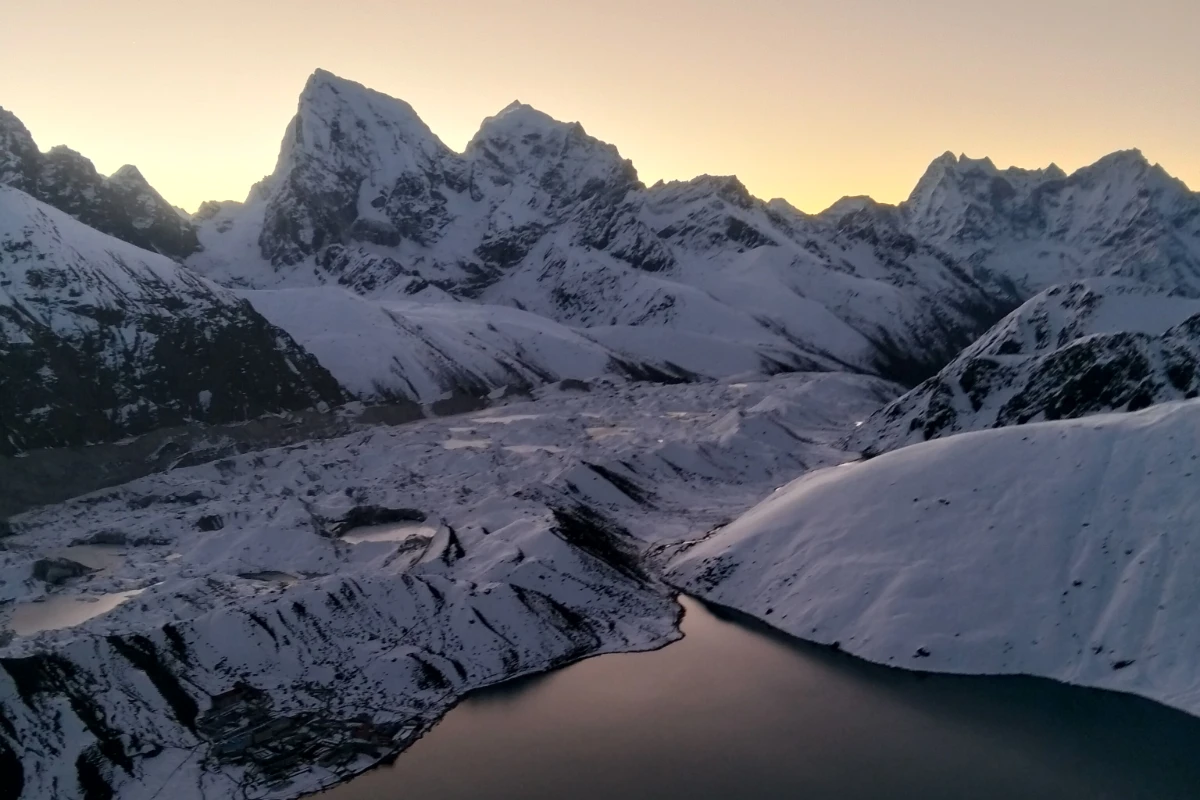
Trek along the lateral moraine of Ngozumpa Glacier, the largest glacier in Nepal. Arrive at Gokyo village, home to the stunning Gokyo Lakes. Hike to Gokyo Ri in the evening for a panoramic view of Everest, Lhotse, Makalu, and Cho Oyu, one of the most spectacular vantage points in the Himalayas.
Day 08: Acclimatization day at Gokyo (3–4 Hours / 4,790m)
Spend the day exploring the Gokyo Lake system. Hike to Gokyo Ri if not done on Day 07 or enjoy nearby lakes. This rest day helps acclimatize and prepares trekkers for the challenging Cho La Pass crossing while enjoying some of the clearest views of the Everest region.
Day 09: Trek from Gokyo to Thangna via Cho La Base (6–7 Hours / 4,730m)
Begin your approach to Cho La Pass with challenging yet rewarding terrain. Pass lateral moraines, small streams, and glacial paths, reaching Thangna, a high-altitude Sherpa settlement. This day involves careful trekking and acclimatization for the upcoming pass.
Day 10: Trek from Thangna to Dzongla via Cho La Pass (6–7 Hours / 4,830m)
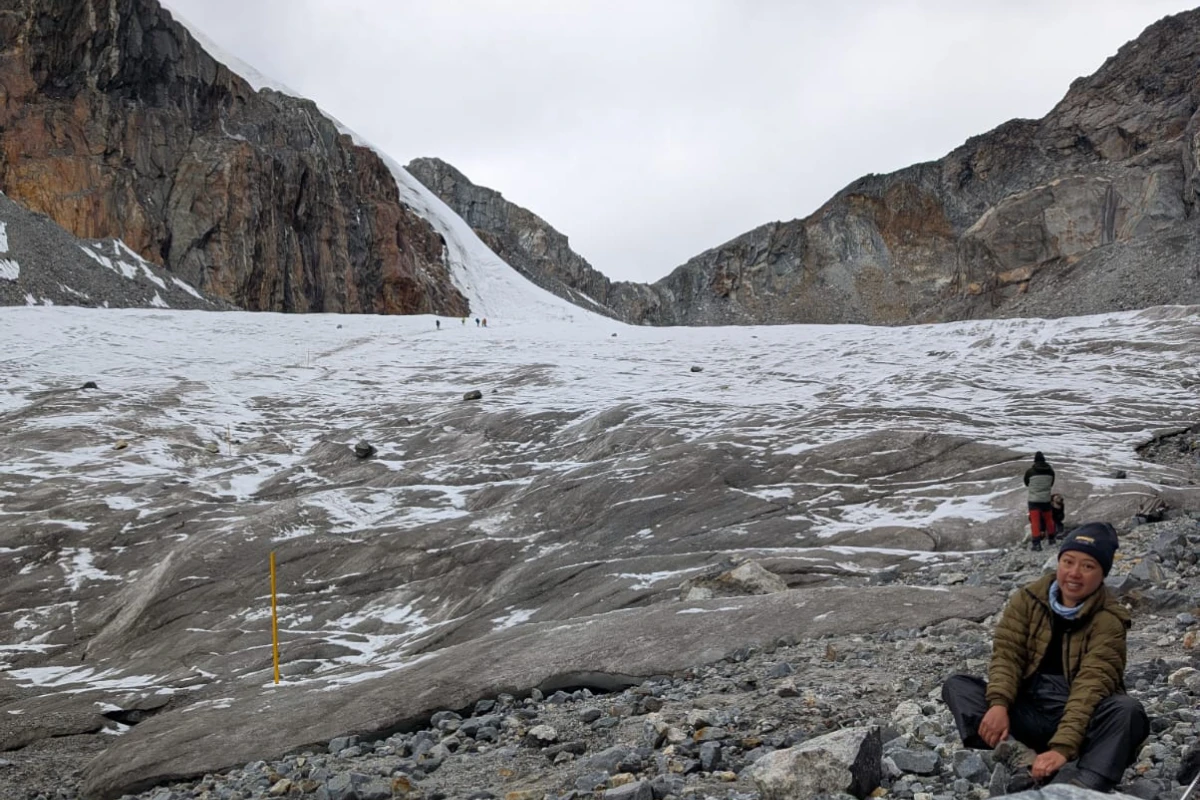
Cross the Cho La Pass (5,420m), the highlight of the trek. Navigate rocky and icy paths while enjoying unmatched Himalayan views. Descend to Dzongla and celebrate conquering one of the most challenging passes in the Khumbu region. This is a day full of adventure and stunning photography opportunities.
Day 11: Trek from Dzongla to Lobuche (5–6 Hours / 4,910m)
Descend from Dzongla to the trail leading to Lobuche, a small village near the Everest Base Camp route. Trek through high-altitude moraines and enjoy views of Pumori, Nuptse, and Ama Dablam. Stay overnight in a cozy teahouse, preparing for the final approach to Everest Base Camp.
Day 12: Trek from Lobuche to Everest Base Camp via Gorak Shep (6–7 Hours / 5,364m)
Trek to Gorak Shep, the last stop before Everest Base Camp. From there, continue to the iconic Everest Base Camp, where you can see the Khumbu Icefall and the surrounding Himalayan giants. Return to Gorak Shep for overnight stay. This is the ultimate Everest experience for adventure seekers.
Day 13: Hike to Kala Patthar and trek to Pheriche (7–8 Hours / 4,280m)
Wake early for a sunrise hike to Kala Patthar (5,545m), the best viewpoint of Mount Everest. Descend via Gorak Shep and Lobuche to Pheriche, enjoying stunning vistas along the way. Rest and recover in this high-altitude village after a memorable day of trekking.
Day 14: Trek from Pheriche to Namche Bazaar (6–7 Hours / 3,440m)
Begin descending through the Khumbu valley, retracing the trail past Pangboche, Tengboche, and Namche Bazaar. Enjoy a relaxing evening in Namche, exploring markets and sharing stories of your Everest adventure. This descent helps your body recover from high-altitude exertion.
Day 15: Trek from Namche Bazaar to Lukla (6–7 Hours / 2,860m)
Trek through Monjo and Phakding, enjoying the familiar landscapes of the lower Khumbu region. Reach Lukla in the evening and celebrate the successful completion of the high-altitude trekking portion. Prepare for your flight back to Kathmandu the next day.
Day 16: Fly to Kathmandu, transfer to the hotel (1 Hour / 1,310m)
Take a scenic flight from Lukla to Kathmandu, witnessing the breathtaking Himalayas from above. Transfer to your hotel in Kathmandu for rest. Enjoy a leisurely evening exploring local markets or relaxing after the trek.
Day 17: Rest and buffer day in Kathmandu (1,310m)
Spend a free day in Kathmandu to rest, shop, or explore heritage sites such as Swayambhunath, Boudhanath, and Durbar Square. This buffer day allows flexibility in case of flight delays or extra sightseeing.
Day 18: Departure from Kathmandu, end of our services (1 Hour / 1,310m)
Transfer to Tribhuvan International Airport for your departure. Our services end here, leaving you with unforgettable memories of the Gokyo, Cho La Pass, and Everest Base Camp trek.
Included - Excluded
- Private air-conditioned vehicle for airport pickup and drop-off before and after the trek.
- Three nights’ accommodation in Kathmandu Valley at a tourist-standard hotel with complimentary breakfast.
- Round-trip domestic flight tickets (Kathmandu – Lukla – Kathmandu), including all applicable taxes and fuel surcharges.
- Everest National Park entry permit.
- Trekkers’ Information Management System (TIMS) registration card and Khumbu local area entry permit, as required.
- Full-board meals during the trek as outlined in the itinerary.
- Twin-sharing accommodation in tea houses during the trek, as specified in the itinerary.
- Friendly, English-speaking, government-licensed, and experienced trekking guide, including meals, accommodation, salary, transportation, and insurance.
- Assistant trekking guide for groups of more than six people, including meals, accommodation, salary, transportation, and insurance.
- Complimentary trekking gear (down jacket, sleeping bag, duffel bag, crampons) available upon request. (all gear provided by the agency must be returned after the trek)
- Comprehensive first-aid medical kit equipped with an oximeter.
- Seasonal fresh fruits, cookies, and water purification tablets (available with advance notice) during the trek.
- All necessary paperwork, government taxes, local taxes, and company service charges.
- Complimentary welcome or farewell dinner in Kathmandu at a traditional Nepalese cultural restaurant.
- Optional worst-case rescue and medical evacuation assistance (at your expense or covered by your travel insurance).
- International airfare, Nepal visa fees (two passport-sized photographs required), travel and medical insurance, including emergency evacuation costs.
- Porter services (available as an add-on during booking or checkout).
- Personal expenses (e.g., bar and beverage bills, hot showers, telephone calls, laundry, snacks, etc.).
- Costs arising from natural calamities, accidents, or circumstances beyond our control.
- These costs are non-refundable and non-transferable if you voluntarily leave the trek early.
- Lunch and dinner in Kathmandu (Also applicable in cases of early return or late departure beyond the scheduled itinerary)
- Tips for guides and porters (tipping is customary in Nepal and expected at the end of the trek).
- Any services not specifically mentioned in the “Services Included” section.
Important Information
Meals During the Cho La Pass Trek
Food during the Cho La Pass Trek is simple, hearty, and designed to provide the energy needed for long days of trekking at high altitude. Most meals are served in local teahouses along the trail and typically include breakfast, lunch, and dinner. The most common dish in the region is dal bhat — a traditional Nepali meal made with rice, lentil soup, vegetables, and pickles that provides a balanced source of carbohydrates and protein. Trekkers will also find a variety of other options such as noodles, fried rice, pasta, pancakes, eggs, potatoes, soups, and Tibetan bread. Vegetarian meals are widely available, and fresh vegetables are commonly served in lower villages. Hot drinks like tea, coffee, hot lemon, and ginger honey tea are popular for staying warm and hydrated in the mountains. While menus may become simpler as the altitude increases, the meals remain filling and comforting after a day on the trail.
Accommodation on the Cho La Pass Trek
Accommodation during the Cho La Pass Trek is provided in traditional Himalayan teahouses, which are small mountain lodges run by local families. These lodges offer basic but comfortable rooms with twin beds, mattresses, pillows, and blankets. Most rooms are simple and unheated, but the dining hall is usually warm and serves as a social space where trekkers gather in the evening. Bathrooms are typically shared, and facilities become more basic as the trek climbs to higher elevations. Despite the simplicity, the hospitality of the local communities creates a welcoming and authentic trekking experience. Staying in teahouses also allows trekkers to interact with local Sherpa culture and enjoy the unique atmosphere of mountain villages in the Everest region.
High Altitude and Acclimatization on the Trek
The Cho La Pass Trek takes trekkers into high alpine terrain, with the pass itself reaching an elevation of over 5,300 meters. At these heights, proper acclimatization is essential to ensure a safe and enjoyable journey. A well-planned itinerary includes gradual altitude gain and designated acclimatization days in key locations such as Namche Bazaar and other high-altitude villages. During acclimatization days, trekkers often take short hikes to higher viewpoints before returning to sleep at a lower elevation, helping the body adapt to the thinner air. Taking the time to acclimatize properly significantly reduces the risk of altitude sickness and allows trekkers to enjoy the incredible mountain scenery without unnecessary health risks.
Safety and Trekking Support
Safety is a top priority during the Cho La Pass Trek, as the route passes through remote mountain terrain and high elevations. Professional trekking guides play an important role in ensuring the well-being of trekkers throughout the journey. Guides are trained in mountain safety, altitude awareness, and basic first aid, and they closely monitor weather conditions, trail safety, and the physical condition of the group. In case of emergencies, guides are familiar with evacuation procedures and communication options in the region. Traveling with experienced support staff not only increases safety but also enhances the overall trekking experience by providing local knowledge and guidance along the route.
Physical Preparation for the Trek
The Cho La Pass Trek is considered a challenging trek due to its long trekking days, steep climbs, and high altitude. Proper physical preparation before the trip will greatly improve both comfort and enjoyment during the trek. Training should ideally begin several weeks or months in advance and include activities such as hiking, running, cycling, or other cardiovascular exercises that build endurance. Strength training for the legs and core can also help with stability on uneven trails. Practicing hikes with a backpack and walking uphill for extended periods is especially useful preparation. Being physically prepared allows trekkers to focus on the breathtaking landscapes and cultural experiences rather than struggling with fatigue.
Best Time to Trek the Cho La Pass Route
The best time to trek the Cho La Pass route is during the spring and autumn seasons when weather conditions are generally stable and mountain views are at their best. Spring, from March to May, is known for its warmer temperatures and blooming rhododendron forests that add vibrant colors to the Himalayan landscape. Autumn, from September to November, is considered the most popular trekking season due to clear skies, excellent visibility, and comfortable daytime temperatures. During these months, trekkers can enjoy spectacular views of Everest region peaks and safer conditions for crossing high mountain passes like Cho La.
Packing and Essential Trekking Gear
Packing the right gear is essential for a successful Cho La Pass Trek, as weather conditions in the Himalayas can change quickly. Trekkers should bring sturdy and well-broken-in trekking boots, warm layered clothing, a high-quality down jacket, gloves, hat, and thermal base layers for cold conditions. A sleeping bag rated for cold temperatures is also recommended, particularly at higher elevations. Other essential items include trekking poles, sunglasses with UV protection, sunscreen, a reusable water bottle, and a small first aid kit. Proper gear not only improves comfort on the trail but also helps trekkers stay safe in the challenging mountain environment.
Drinking Water and Hydration on the Trek
Staying well hydrated is extremely important while trekking at high altitude. Along the Cho La Pass Trek route, drinking water is available in teahouses and villages, but it should always be treated before consumption. Many trekkers choose to use water purification tablets, portable filters, or UV purification devices to make water safe to drink. Bottled water may also be available in some villages, although using refillable bottles and purification methods is more environmentally friendly. Drinking plenty of fluids each day helps the body adapt to altitude and reduces the chances of dehydration and altitude-related issues.
Cancellation policy
You can cancel the tour up to 60 days before the start date and receive a full refund.*
Frequently asked questions
What is the difficulty level of the Chola Pass Trek?
How long is the Gokyo – Everest Base Camp via Cho La Pass Trek?
What is the best season to trek Cho La Pass?
Do I need previous trekking experience to do the Cho La Pass Trek?
What permits are required for the Cho La Pass Trek?
What kind of accommodation is provided during the trek?
Is altitude sickness a concern on this trek?
Can I hire a porter or an assistant guide for support?
Addon services

Porter Service
Hire a porter on the Chola Pass Trek to carry your luggage, making your high-altitude adventure easier and more comfortable (1 package = 1 porter)

Service Upgrade
Upgrade your trek stay with rooms featuring private toilets where available for added comfort and convenience. (1 package = 1 room)
Make enquiry
Have a question before booking? Message us to learn more.
Why booking with us?
You might also like...
Login to use