How Difficult is the Chola Pass Trekking? Everything You Need to Know Before You Go
The Chola Pass Trekking is one of the most adventurous and rewarding trekking experiences in Nepal’s Everest region. Connecting the iconic Everest Base Camp route with the stunning Gokyo Lakes, this trek offers breathtaking landscapes, high mountain passes, and unforgettable Himalayan views.
However, one question that every trekker asks before planning the journey is: how difficult is the Chola Pass Trek?
In this complete guide, we’ll break down everything you need to know about the difficulty level of Chola Pass trekking—including altitude, terrain, fitness requirements, weather conditions, and practical tips to help you prepare.
Overview of the Chola Pass Trek
The Chola Pass Trek is considered a high-altitude, challenging trek in the Everest region of Nepal. It typically combines:
- Everest Base Camp (EBC)
- Gokyo Lakes
- Cho La Pass (5,420 meters)
The trek usually takes 14 to 18 days, depending on the itinerary and acclimatization days.
What makes Chola Pass trekking unique is the crossing of the Cho La Pass itself—a rugged, glacier-covered mountain pass that requires both physical endurance and mental strength.
How Difficult is the Chola Pass Trek?
The Chola Pass Trek difficulty level can be classified as:
Moderate to Challenging
This means:
- It is not suitable for complete beginners without preparation
- Requires good physical fitness
- Involves high altitude trekking above 5,000 meters
- Includes steep ascents, rocky terrain, and glacier crossing
Let’s explore the key factors that contribute to its difficulty.
1. High Altitude – The Biggest Challenge
The most significant factor affecting the difficulty of the Chola Pass Trek is the altitude.
Key elevations include:
- Namche Bazaar: 3,440 meters
- Everest Base Camp: 5,364 meters
- Cho La Pass: 5,420 meters
- Gokyo Ri: 5,357 meters
At these elevations, oxygen levels drop significantly, making it harder for your body to function normally.
Risks of High Altitude
- Acute Mountain Sickness (AMS)
- Headaches and nausea
- Fatigue and dizziness
- Sleep disturbances
Why it matters: Even physically fit trekkers can struggle with altitude. Proper acclimatization is essential to successfully complete the Chola Pass trekking experience. Read more at CDC website:
2. Crossing the Cho La Pass
The highlight—and the toughest part—of the trek is crossing the Cho La Pass (5,420 m).
This section includes:
- Steep ascent on rocky trails
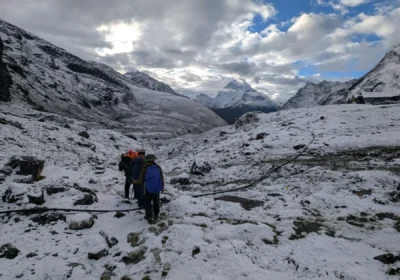
- Snow-covered paths (especially in colder months)
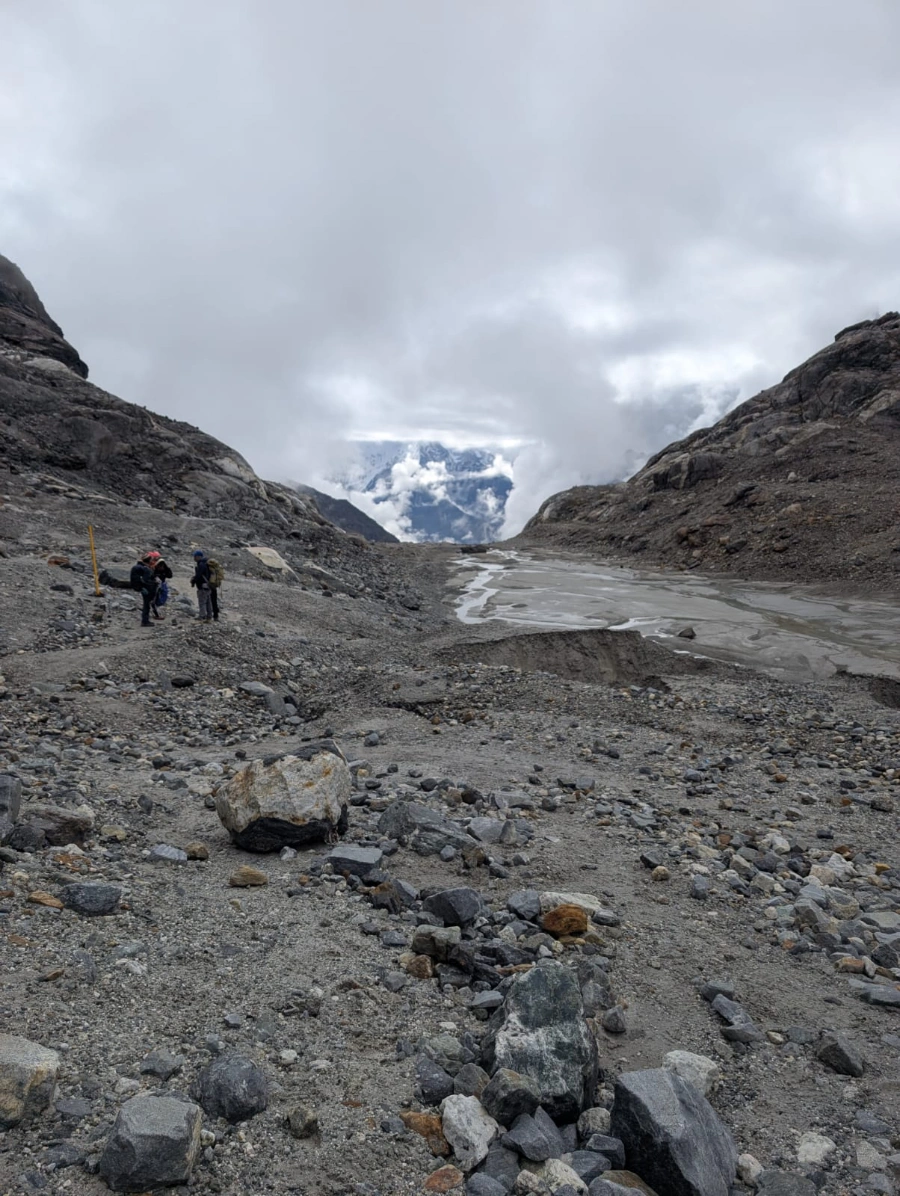
- Glacier crossing with ice sections
- Long trekking hours (7–9 hours on pass day)
The pass is often considered the most technically demanding part of the entire trek.
Important Tip: You don’t need technical climbing skills, but using microspikes or crampons may be necessary depending on conditions.
3. Long Trekking Days
Another factor that increases the Chola Pass Trek difficulty is the duration of daily hikes.
Typical trekking hours:
- 5–7 hours on regular days
- 7–9 hours on pass crossing day
Walking for long hours at high altitude can be physically exhausting, especially when combined with cold weather and thin air.
4. Rugged Terrain
The terrain during Chola Pass trekking is diverse and often challenging.
You will encounter:
- Rocky trails
- Steep ascents and descents
- Glacier sections
- Uneven paths
Good balance and proper trekking shoes are essential to avoid injuries.
5. Weather Conditions
Weather plays a crucial role in determining how difficult the Chola Pass Trek will be.
Common Conditions:
- Cold temperatures (down to -10°C or lower)
- Strong winds at higher elevations
- Snowfall near the pass
- Rapid weather changes
Unpredictable weather can make the pass crossing more dangerous and physically demanding.
6. Mental Challenge
The Chola Pass Trek is not just physically demanding—it’s also a mental test.
Trekkers often face:
- Isolation in remote areas
- Fatigue and discomfort
- Fear during steep or icy sections
Mental resilience is key to successfully completing the trek.
Who Should Attempt the Chola Pass Trek?
The Chola Pass trekking route is ideal for:
- Trekkers with prior hiking experience
- Adventurers seeking a challenge
- Fit individuals with good endurance
Not recommended for:
- Complete beginners without preparation
- People with serious health issues
- Those uncomfortable with high altitude
Fitness Requirements for Chola Pass Trekking
To handle the difficulty of the Chola Pass Trek, you should be physically prepared.
Recommended Fitness Level:
- Ability to walk 6–7 hours per day
- Good cardiovascular endurance
- Strong legs and core muscles
Training Tips:
- Start training 6–8 weeks in advance
- Include hiking or stair climbing
- Practice walking with a backpack
- Do cardio exercises like running or cycling
Acclimatization: The Key to Success
Proper acclimatization is essential to reduce the difficulty of Chola Pass trekking.
Most itineraries include rest days at:
- Namche Bazaar
- Dingboche
Golden Rule: “Climb high, sleep low”
This allows your body to adapt to the altitude gradually.
Best Time to Do the Chola Pass Trek
Choosing the right season can significantly impact the difficulty level of the Chola Pass Trek.
Best Seasons:
- Spring (March to May)
- Autumn (September to November)
During these months:
- Weather is stable
- Trails are clearer
- Visibility is excellent
Avoid:
- Winter (extreme cold and snow)
- Monsoon (rain and slippery trails)
Essential Gear for Chola Pass Trekking
Having the right gear can make a huge difference in managing the difficulty of the Chola Pass Trek.
Must-Have Items:
- Warm down jacket
- Waterproof trekking boots
- Trekking poles
- Microspikes or crampons
- Thermal layers
- Good quality sleeping bag
Proper gear ensures comfort and safety throughout the trek.
Guided vs Independent Trekking
Many trekkers wonder whether to go solo or with a guide.
Guided Trek Advantages:
- Navigation support
- Safety during pass crossing
- Local knowledge
For a challenging route like Chola Pass trekking, hiring a guide is highly recommended.
Tips to Make the Chola Pass Trek Easier
While the Chola Pass Trek is challenging, proper preparation can make it more manageable.
- Train in advance
- Follow a proper itinerary
- Stay hydrated
- Eat well during the trek
- Walk at a steady pace
- Listen to your body
Is the Chola Pass Trek Worth the Difficulty?
Absolutely.
Despite the challenges, the Chola Pass Trek offers some of the most spectacular scenery in the Himalayas.
Highlights include:
- Mount Everest views
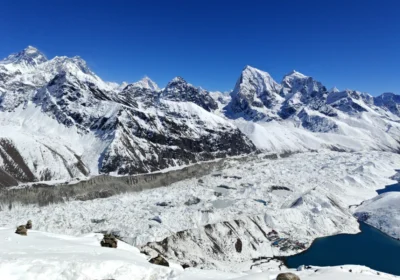
- Turquoise Gokyo Lakes
- Glacier crossings
- Sherpa culture and villages
The sense of achievement after crossing Cho La Pass is unmatched.
Final Verdict: How Difficult is the Chola Pass Trek?
The Chola Pass Trek difficulty can be summarized as follows:
- Physical Level: Moderate to Challenging
- Technical Level: Moderate (no climbing skills required)
- Altitude: High (above 5,000 meters)
With proper preparation, acclimatization, and the right mindset, the Chola Pass trekking experience is achievable for most fit and determined trekkers.
Conclusion
The Chola Pass Trek is not an easy journey—but it is an incredibly rewarding one. From high-altitude challenges to glacier crossings, it pushes you beyond your limits while offering unforgettable Himalayan beauty.
If you’re ready to prepare, train, and embrace the adventure, Chola Pass trekking will be one of the most memorable experiences of your life.
Ready to take on the challenge? Start planning your Chola Pass Trek today and experience the Himalayas like never before.