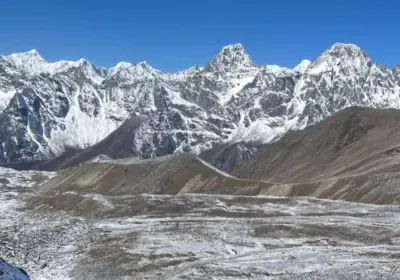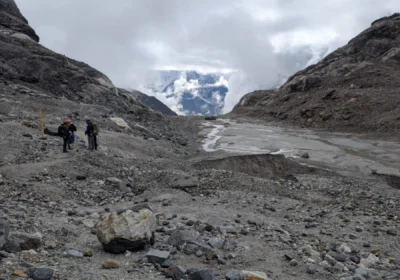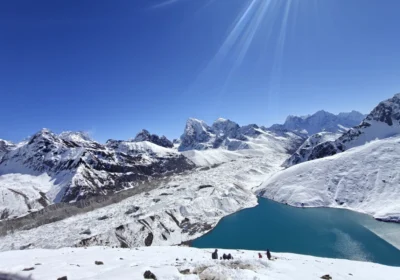
Best Time to Do the Chola Pass Trekking: Weather, Seasons & Trekking Tips
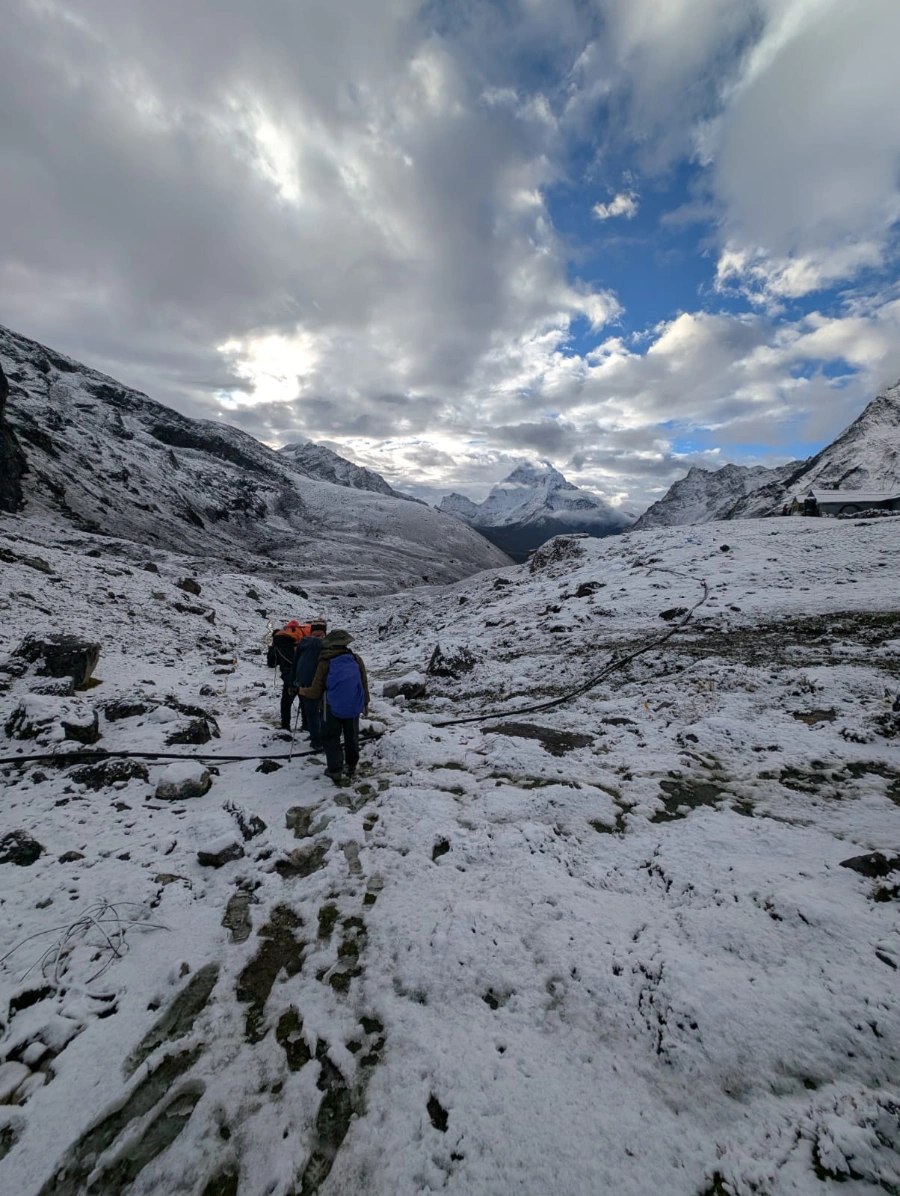
Chola Pass Trekking route is one of the most thrilling and scenic adventures in Nepal’s Everest region. Connecting the legendary Everest Base Camp trail with the stunning Gokyo Lakes, this trek offers a perfect combination of high mountain passes, glaciers, turquoise lakes, and breathtaking Himalayan views.
However, one of the most important factors that determines your success and experience is choosing the best time for chola pass trekking. Due to the high altitude of Chola Pass (5,420 meters), weather conditions can change rapidly and significantly impact safety, visibility, and overall enjoyment. Chola Pass Trekking is one of the famous treks in Everest (Sagarmatha) National Park.
In this comprehensive 1500+ word guide by Himalayan Leisure, Inc., we will explore each trekking season in detail, analyze weather patterns, and provide expert tips to help you plan the perfect adventure.
Why Choosing the Right Time Matters for Chola Pass Trekking
Unlike lower-altitude treks, chola pass trekking involves crossing a high Himalayan pass that is often covered in snow and ice. This makes timing absolutely critical.
Here’s why selecting the right season is essential:
- Safety: Snowstorms and icy trails can make the pass dangerous or impassable.
- Visibility: Clear skies are needed for mountain views and navigation.
- Comfort: Extreme cold or rain can reduce enjoyment.
- Logistics: Lukla flights are more reliable in good weather.
Choosing the optimal season ensures a safer, smoother, and more rewarding trekking experience.
Understanding Weather in the Everest Region
The Everest region experiences four distinct seasons, each affecting chola pass trekking differently:
- Spring (March to May)
- Summer/Monsoon (June to August)
- Autumn (September to November)
- Winter (December to February)
Weather varies greatly with altitude. While lower areas like Lukla and Namche Bazaar are relatively mild, higher sections like Dzongla and Chola Pass are extremely cold and exposed to wind and snowfall.
Spring (March to May) – A Vibrant and Popular Season
Overview
Spring is one of the best times for chola pass trekking, offering a perfect mix of stable weather, moderate temperatures, and stunning natural beauty.
Weather Conditions
- Stable weather with minimal snowfall
- Clear mornings and occasional afternoon clouds
- Excellent visibility of Himalayan peaks
Temperature Details
- Lower elevations: 10°C to 15°C during the day
- Higher elevations: -10°C to -5°C
- Night temperatures can drop significantly
Highlights of Spring Trekking
- Blooming rhododendron forests
- Colorful landscapes and greenery
- Ideal weather for photography
- Comfortable trekking conditions
Spring brings life to the trails, making chola pass trekking visually stunning and enjoyable.
Challenges in Spring
- Busy trekking routes
- Limited availability in teahouses
- Slight haze in late May
Autumn (September to November) – The Best Overall Season
Overview
Autumn is widely considered the best time for chola pass trekking. The monsoon clears dust and pollution, leaving behind crystal-clear skies and stable conditions.
Weather Conditions
- Dry trails and minimal rainfall
- Clear blue skies
- Excellent mountain visibility
Temperature Details
- Lower elevations: 12°C to 18°C
- Higher elevations: -8°C to -12°C
Why Autumn is Ideal
- Best visibility of Everest and surrounding peaks
- Stable weather for crossing Chola Pass
- Comfortable trekking temperatures
- Festive atmosphere in Nepal (Dashain & Tihar)
If you want the most reliable conditions, autumn is the top choice for chola pass trekking.
Challenges in Autumn
- Peak season crowds
- Higher accommodation costs
- Busy flights to Lukla
Winter (December to February) – A Quiet but Harsh Season
Overview
Winter offers a completely different experience of chola pass trekking, with fewer trekkers and peaceful trails. However, it comes with significant challenges.
Weather Conditions
- Heavy snowfall at high altitudes
- Cold winds and freezing temperatures
- Occasional clear skies
Temperature Details
- Lower elevations: 5°C to 10°C
- Higher elevations: -15°C to -25°C
Advantages of Winter Trekking
- Peaceful and less crowded trails
- Unique snowy landscapes
- Better availability of accommodation
Disadvantages
- Extreme cold conditions
- Chola Pass may be blocked by snow
- Higher risk of frostbite and altitude issues
Winter chola pass trekking is recommended only for experienced trekkers with proper equipment and guidance.
Monsoon/Summer (June to August) – Least Recommended
Overview
The monsoon season is generally not suitable for chola pass trekking, although some trekkers still attempt it.
Weather Conditions
- Heavy rainfall in lower regions
- Cloudy skies and poor visibility
- Wet and slippery trails
Challenges
- Flight delays to Lukla
- Risk of landslides
- Leeches in forested areas
- Limited mountain views
Even though some parts lie in a rain shadow, the overall experience of chola pass trekking during monsoon is not ideal.
Month-by-Month Breakdown for Chola Pass Trekking
- March: Start of trekking season, cold but clear
- April: Excellent weather and blooming forests
- May: Warmer temperatures, slight haze
- June: Beginning of monsoon, avoid if possible
- July: Peak rainfall, poor conditions
- August: Wet trails, limited visibility
- September: Post-monsoon clarity, great time
- October: Best overall conditions
- November: Clear skies but colder temperatures
- December: Cold and quiet
- January: Harsh winter conditions
- February: Late winter, improving conditions
Best Time Summary
- Best Overall: Autumn (September–November)
- Second Best: Spring (March–May)
- For Experts: Winter (December–February)
- Avoid: Monsoon (June–August)
Expert Tips for Successful Chola Pass Trekking
1. Acclimatization is Essential
Altitude sickness is a serious concern. Plan rest days in Namche Bazaar and Gokyo to adapt properly.
2. Start Early on Pass Day
Cross Chola Pass early in the morning when weather conditions are more stable and winds are calmer.
3. Pack Smart and Light
- Layered clothing system
- Down jacket and thermal wear
- Waterproof gear
- High-quality trekking boots
4. Monitor Weather Conditions
Always check forecasts and listen to local guides before attempting the pass.
5. Travel with a Reliable Operator
Booking your chola pass trekking with experienced companies like Himalayan Leisure, Inc. ensures proper planning, safety, and a better overall experience.
6. Stay Hydrated and Eat Well
Proper hydration and nutrition are key to maintaining energy and preventing altitude sickness.
Final Thoughts
The best time for chola pass trekking and Everest Base Camp Trek depends on your goals, experience level, and tolerance for weather conditions. For most trekkers, spring and autumn offer the perfect balance of safety, comfort, and stunning views.
Whether you choose the colorful trails of spring or the crystal-clear skies of autumn, chola pass trekking promises an unforgettable Himalayan adventure.
With proper planning, the right season, and expert guidance from Himalayan Leisure, Inc., you can turn this challenging trek into a once-in-a-lifetime experience.