Chola Pass Trekking: Essential Gears for Crossing Cho La Pass
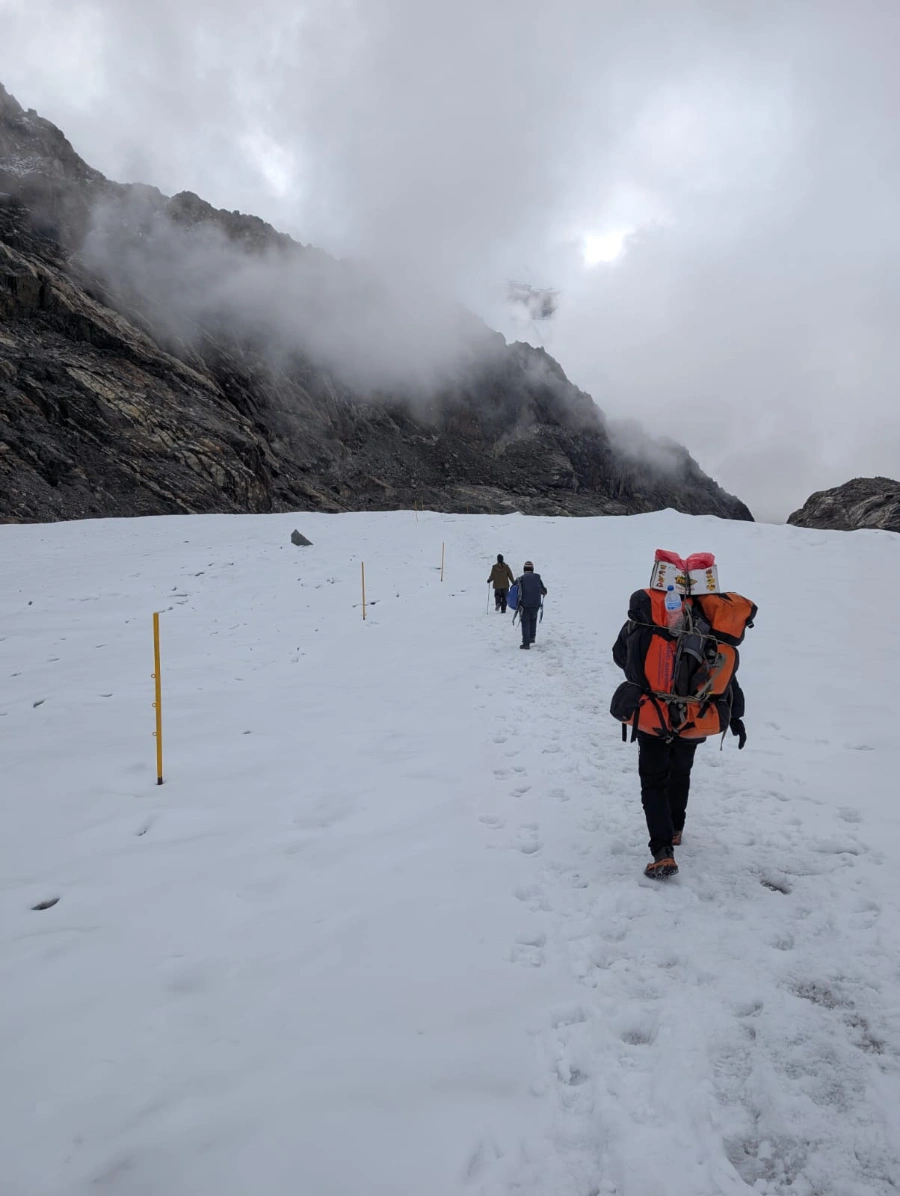
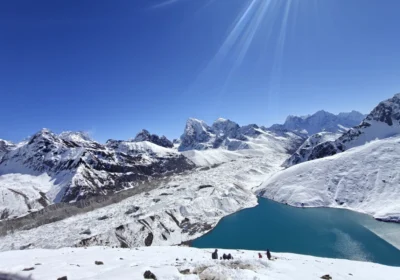
Chola pass trekking is one of the most adventurous and rewarding high-altitude journeys in Nepal’s Sagarmatha (Everest) National Park. Connecting the iconic Everest Base Camp route with the pristine Gokyo Lakes, the Cho La Pass sits at an altitude of 5,420 meters and presents trekkers with glacier crossings, steep ascents, and unpredictable weather conditions.
Because of these challenges, having the right packing list is not just helpful—it’s absolutely critical. The difference between a comfortable, safe trek and a difficult, risky experience often comes down to what you carry in your backpack.
In this comprehensive guide, we’ll break down everything you need to pack for chola pass trekking, including clothing layers, technical gear, accessories, and smart packing tips to help you cross Cho La Pass confidently.
Why Packing Right is Crucial for Chola Pass Trekking
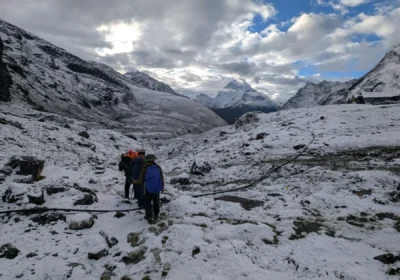
The Cho La Pass is known for its harsh and unpredictable conditions. Weather can shift from sunny to snowstorm within hours, and temperatures can drop well below freezing, especially in the early morning when most trekkers attempt the crossing.
Proper packing ensures:
- Protection against extreme cold and wind
- Safety during glacier and icy terrain crossings
- Comfort during long trekking days
- Reduced risk of altitude-related complications
Minimalism is important, but so is preparedness. You need to strike the perfect balance between carrying essentials and keeping your backpack light.
Clothing Layers for Chola Pass Trekking
Layering is the golden rule of trekking in high-altitude environments. Instead of one heavy jacket, multiple layers allow you to adjust your body temperature easily.
1. Base Layer (Moisture-Wicking)
Your base layer sits directly against your skin and helps manage sweat.
- Thermal tops and bottoms (merino wool or synthetic)
- Avoid cotton as it retains moisture
2. Mid Layer (Insulation)
This layer provides warmth by trapping body heat.
- Fleece jacket or pullover
- Lightweight insulated jacket
3. Outer Layer (Shell Protection)
The outer layer protects against wind, snow, and rain.
- Waterproof and windproof jacket (Gore-Tex recommended)
- Waterproof trekking pants
4. Down Jacket (Essential for High Altitude)
A high-quality down jacket is a must-have for chola pass trekking, especially during early morning crossings and evenings in teahouses.
- Choose a jacket rated for sub-zero temperatures
- Lightweight and compressible for easy packing
Footwear: Your Most Important Gear
Your feet will carry you across rugged terrain, rocky paths, and icy glaciers, so investing in good footwear is non-negotiable.
Trekking Boots
- Waterproof and well-insulated boots
- High ankle support for stability
- Well broken-in before the trek
Socks
- Wool or synthetic trekking socks
- Carry 3–5 pairs
- Liner socks to prevent blisters
Gaiters (Highly Recommended)
Gaiters help keep snow, mud, and debris out of your boots, especially when crossing Cho La Pass.
Backpack and Storage Essentials
Main Backpack
- 50–65L capacity (depending on porter usage)
- Comfortable hip belt and shoulder straps
- Rain cover included
Daypack
- 20–30L for daily essentials
- Carry water, snacks, camera, and layers
Dry Bags and Packing Cubes
- Keep clothes organized and dry
- Separate wet and dry items
Sleeping Gear
Even though teahouses provide blankets, they are often not enough for cold nights at high altitude.
- Sleeping bag rated to -10°C to -20°C
- Sleeping bag liner for extra warmth and hygiene
Essential Trekking Gear
Trekking Poles
Trekking poles reduce strain on your knees and provide stability on steep ascents and descents.
Microspikes or Crampons
Crossing Cho La Pass often involves icy sections, making traction devices essential for safety.
Headlamp
- Necessary for early morning starts
- Carry extra batteries
Water Bottles or Hydration System
- Carry at least 2 liters capacity
- Insulated bottles to prevent freezing
Sunglasses
UV rays are stronger at high altitudes, and snow glare can damage your eyes.
- UV400 protection
- Category 3 or 4 lenses
Personal Accessories and Toiletries
- Quick-dry towel
- Toothbrush, toothpaste, biodegradable soap
- Wet wipes and hand sanitizer
- Lip balm with SPF
- Sunscreen (SPF 50+)
First Aid and Health Essentials
Your health is critical during chola pass trekking, especially due to high altitude.
- Personal medications
- Diamox (for altitude sickness prevention, consult doctor)
- Pain relievers (Ibuprofen, Paracetamol)
- Bandages, blister kits
- ORS (Oral Rehydration Salts)
Documents and Money
- Passport and photocopies
- Trekking permits (TIMS and Sagarmatha National Park permit)
- Travel insurance (must cover high altitude trekking)
- Cash (Nepali Rupees for teahouses)
Electronics and Gadgets
- Power bank (electricity is limited and paid)
- Charging cables
- Camera or smartphone
- Universal travel adapter
Snacks and Nutrition
While teahouses provide meals, carrying your own snacks helps maintain energy levels.
- Energy bars
- Trail mix and nuts
- Electrolyte powders
- Dark chocolate
Optional but Useful Items
- Lightweight book or Kindle
- Travel pillow
- Playing cards or small games
- Notebook and pen
Packing Tips for Chola Pass Trekking
1. Keep Your Backpack Light
Aim to keep your total weight under 10–12 kg if carrying your own gear. A lighter pack reduces fatigue and makes high-altitude trekking easier.
2. Layer Smartly
Always carry an extra layer in your daypack, especially when crossing Cho La Pass early in the morning.
3. Waterproof Everything
Weather in the Himalayas is unpredictable, so use dry bags or plastic liners to keep your belongings safe.
4. Test Your Gear Before the Trek
Never bring brand-new gear without testing it. Break in your boots and check all equipment beforehand.
5. Rent vs Buy
If you’re traveling from abroad, you can rent gear like down jackets and sleeping bags in Kathmandu or Namche Bazaar.
Common Packing Mistakes to Avoid
- Overpacking unnecessary items
- Ignoring proper layering system
- Bringing poor-quality footwear
- Forgetting essential medications
- Not carrying enough warm clothing
Final Thoughts: Pack Smart, Trek Safe
Chola pass trekking is an unforgettable adventure that combines breathtaking landscapes with high-altitude challenges in the Everest Region. Crossing Cho La Pass requires careful preparation, and your packing list plays a crucial role in your success.
By following this complete packing guide, you’ll be well-equipped to handle cold temperatures, rugged terrain, and long trekking days. Remember, it’s not about packing more—it’s about packing right.
Prepare smartly, respect the mountains, and enjoy one of the most scenic trekking routes in the Everest region.
Ready to conquer Cho La Pass? Start packing today and take one step closer to your Himalayan adventure.